
Whole-House Plumbing Inspection: What It Covers and When to Get One

By Tom Darling
Owner · City of Albany Master Plumber · Lic. #PLBG21-147
Updated
A whole-house plumbing inspection, also called a home plumbing inspection, is a top-to-bottom check of the supply lines, drains, fixtures, water heater, shut-off valves and water pressure in a home, so leaks, corrosion and worn parts are found before they fail. It is worth doing before you buy a home, after you buy to set a baseline, when the plumbing is older and before winter.
Most plumbing problems do not start as emergencies. They start as a slow drip, a little corrosion, or a water heater quietly past its prime, and a whole-house plumbing inspection from Empire State Plumbing is the simplest way to catch those issues before they turn into a flooded basement or an expensive repair.
What Is a Whole-House Plumbing Inspection?
A whole-house plumbing inspection is a top-to-bottom check of every plumbing system in your home, not just the fixture that happens to be acting up. Instead of waiting for something to break, one of our experienced plumbers walks the property and looks at the supply lines, drains, fixtures, water heater, and shut-off valves so you get a clear picture of what is in good shape and what needs attention. It is a planned, unhurried visit rather than a scramble during an emergency, which means we can spend the time to do it right.
How plumbing works in a house
A house has two separate plumbing systems. The supply side brings pressurized water in from the street or a well, through the main shut-off and meter, to the water heater and every fixture. The drain-waste-vent side carries used water out by gravity to the sewer or septic system, with vent pipes that let air in so drains flow. An inspection looks at both, because a problem in one can look like a problem in the other.
What We Check During the Inspection
Our goal is to leave no part of your plumbing unexamined. During a typical whole-house inspection, our team reviews:
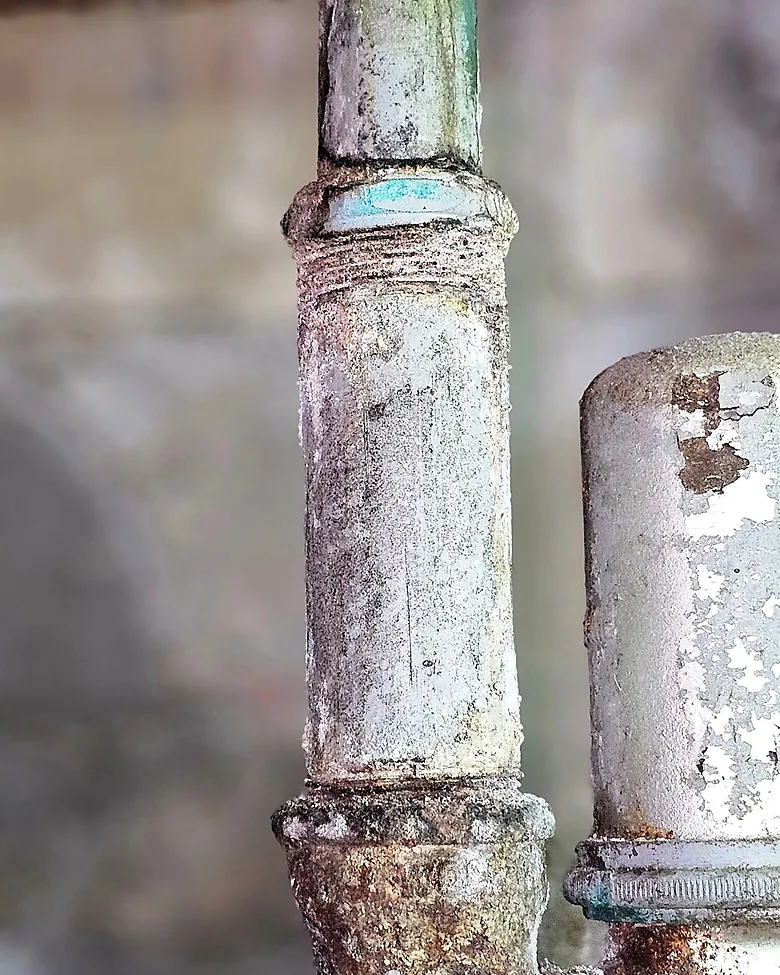
- Visible supply lines and drain pipes for leaks, corrosion, or signs of past water damage.
- Faucets, toilets, and fixtures for drips, running water, and worn parts.
- Your water heater for age, sediment, corrosion, and proper operation.
- The main water shut-off and individual fixture valves so they actually work when you need them.
- Water pressure throughout the home, which can point to hidden issues in the lines.
- Sump pumps, exposed pipes in basements and crawl spaces, and outdoor spigots.
When we are finished, we walk you through what we found in plain language so you can make decisions on your own timeline, not under pressure.
What you can check yourself
- Look under every sink and around toilets for drips, stains or soft cabinet floors.
- Check that each toilet stops running after a flush.
- Turn off all water, then watch the water meter. If it keeps moving, there is a leak.
- Find the main shut-off valve and make sure you can turn it.
- Look at the water heater for rust, moisture around the base and a discharge pipe that is dripping.
- Check outdoor spigots for drips and look at exposed pipes in the basement or crawl space.
- Run a bucket test on a sump pump if you have one. See how to check your sump pump.
A homeowner check finds the obvious. It does not find a slow leak behind a wall, a failing valve you cannot see or a sewer line problem, which is where an inspection by a plumber adds something.
Why an Inspection Saves You Money
The cost of catching a problem early is almost always smaller than the cost of cleaning up after it. A pinhole leak found during an inspection is a quick fix. That same leak left alone behind a wall can mean water damage, mold, and a much bigger bill. The same goes for a water heater on its last legs, a corroded valve, or a slow drain heading toward a full backup. An inspection gives you the chance to plan repairs and replacements on your schedule instead of reacting to a 6:00 PM emergency.
When Is the Right Time to Schedule One?
There are a few moments when a whole-house inspection is especially worthwhile:
- Before you buy a home, so you know what you are getting into.
- After you buy, to set a baseline and catch anything the seller missed.
- If your home is older and you are not sure when the plumbing was last looked at.
- Before winter, so freeze-prone pipes and outdoor spigots are ready for the cold.
- Anytime you have noticed nagging issues like low pressure, slow drains, or higher water bills.
Plumbing inspection before buying a house
A general home inspection looks at the plumbing in a limited way, usually fixtures, visible pipe and the water heater. A plumber’s inspection goes further into supply pressure, shut-off valves, drains and the pipe material. The inside of the sewer line is not seen by either unless a camera is run, and an older home can hide a failing line; see drain camera inspection and what to expect from a sewer camera inspection. Tell us your closing date when you book so the findings are in hand before you decide.
What an inspection does not cover
It looks at the plumbing you can reach. It does not open walls, and it does not replace a sewer camera inspection, a water test or a general home inspection. If the visit turns up a problem, you get a plain explanation of what it is and whether it needs attention now, and you can decide on your own timeline.
Why Capital Region Homeowners Trust Empire State Plumbing
Family-run since 2006, Empire State Plumbing works under City of Albany license #PLBG21-147 (see licenses and insurance), keeps weekday hours of Monday through Friday, 7:30am to 6pm and books same-day service within business hours when the schedule allows. If a repair we recommend calls for financing, options are available through Acorn Finance. From older homes with well and septic systems to homes heated by gas, oil or propane, we know the systems common to this area and how they age.
If it has been a while since anyone looked at your plumbing from end to end, now is a good time to schedule a whole-house inspection. Call Empire State Plumbing at (518) 482-4205 or book online, and we will help you get ahead of the next problem.
Questions homeowners ask
A plumber checks the visible supply lines and drains, faucets, toilets and fixtures, the water heater, the main shut-off and fixture valves, water pressure, and areas like the basement, crawl space, sump pump and outdoor spigots. You get a plain explanation of what is sound and what needs attention.
The price depends on the size of the home and what is included, so we give it when you book instead of quoting a number here. Ask for the price and what the visit covers before the plumber arrives.
Plan on a visit that is long enough to look at every area: bigger houses with more fixtures, older pipe and tight access take longer. It is a planned visit and not a quick fixture check, and we explain what we find as we go.
For an older home, it is worth it. A general home inspection looks at plumbing in a limited way, and the sewer line is not seen unless a camera is run. A plumber’s inspection can show pipe material, pressure and valve problems you would otherwise inherit.
A home inspection covers the whole house at a general level, including a quick look at plumbing. A plumbing inspection looks at the plumbing in detail: supply, pressure, drains, valves, the water heater and the condition of the pipe. A sewer camera is a separate step.
There is no schedule that fits every home. An inspection makes sense when you buy a house, if the plumbing is older and nobody has looked at it recently, before winter in a home with freeze-prone pipes, or when you notice low pressure, slow drains or higher water bills.
Pressurized water comes in through the main shut-off and meter, runs to the water heater and fixtures, and used water leaves through drain pipes by gravity to the sewer or septic system. Vent pipes let air in so the drains flow. A leak or a clog can start in either system.
Related services
Call Monday–Friday, 7:30am–6pm, or book online any time.
From the blog
Keep reading
Hire a licensed plumber: what you can DIY and what to leave to a pro
Hire a licensed plumber or DIY it? Which plumbing jobs are safe to do yourself, which to leave to a pro, and how to check a plumber’s license.
Keep readingWhat to expect from a sewer camera inspection
What happens in a sewer camera inspection: the visit step by step, what the camera finds and cannot see, how to prepare and what comes next.
Keep readingHow to check your sump pump before spring
How to check your sump pump before spring: a bucket test, pit cleaning, discharge line check and a maintenance checklist to avoid a flooded basement.
Keep reading
Need a hand from a local pro?
Empire State Plumbing has served Capital Region homeowners since 2006 — licensed (City of Albany #PLBG21-147) and insured. Call Monday–Friday, 7:30am–6pm, or book online any time.
Real homeowners
What Capital Region homeowners say
Verified Google reviews from Capital Region homeowners.
