Drain & Sewer
Why Does My Drain Keep Clogging?

By Tom Darling
Owner · City of Albany Master Plumber · Lic. #PLBG21-147
Updated
A drain that keeps clogging usually means the original blockage was never fully removed — a plunger or chemical cleaner just punched a hole through it — or that grease, hair and soap scum, or flushed wipes keep rebuilding in the same spot. If every drain in the house backs up, the real problem is usually tree roots or buildup in the main sewer line, both common in older Capital Region homes.
The Clog You Cleared Was Never Fully Gone
A plunger or store-bought drain cleaner often punches a small hole through a blockage rather than removing it. Water flows again, so the drain seems fixed — but the bulk of the buildup is still clinging to the pipe walls. Within days or weeks it catches more debris and closes back up.
That’s why a drain that “keeps” clogging is frustrating: each quick fix leaves a foothold for the next blockage. Clearing the full diameter of the pipe is what actually breaks the cycle.
Common Causes Behind a Repeat-Clogging Drain
Different fixtures clog for different reasons. The repeat offenders we see across Albany, Rensselaer, Saratoga, Schenectady, Columbia, and Greene County homes include:
- Kitchen sinks: grease and cooking fats that cool, harden, and trap food particles.
- Bathroom sinks and showers: hair bound together with soap scum and toothpaste residue.
- Toilets: flushed wipes (even “flushable” ones), paper towels, and excess tissue.
- Older homes: aging galvanized or cast-iron pipes that have narrowed with mineral scale and corrosion over decades.
If only one fixture is affected, the blockage is usually local. If several drains gurgle or back up at once, the issue is likely deeper in your main line — and a one-spot cleaning won’t hold.
Recurring clogged drain? Match the fixture to the cause
- Kitchen sink that keeps clogging: grease and food solids build up on the pipe walls. Hot water alone can move grease farther down the line, where it cools and hardens again.
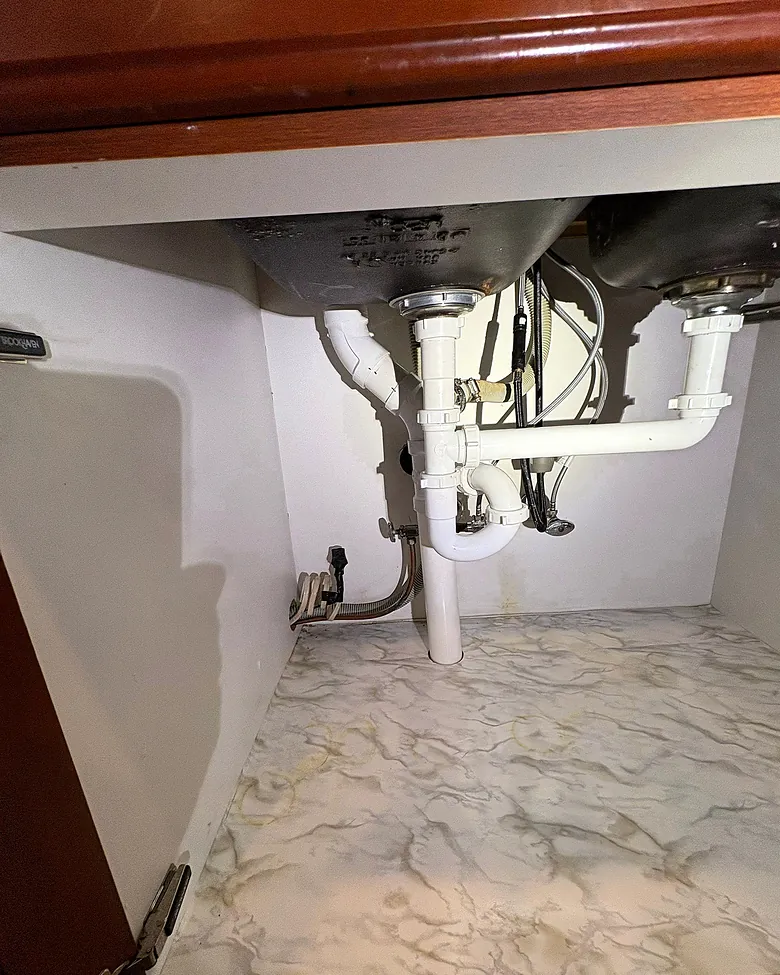
- Shower or tub that keeps clogging: hair knotted with soap scum, usually in the trap or the first few feet of the drain.
- Bathroom sink that keeps clogging: toothpaste, soap residue and hair around the stopper and the trap.
- Toilet that keeps clogging: wipes, paper towels or excess tissue, or a partial blockage farther down the line.
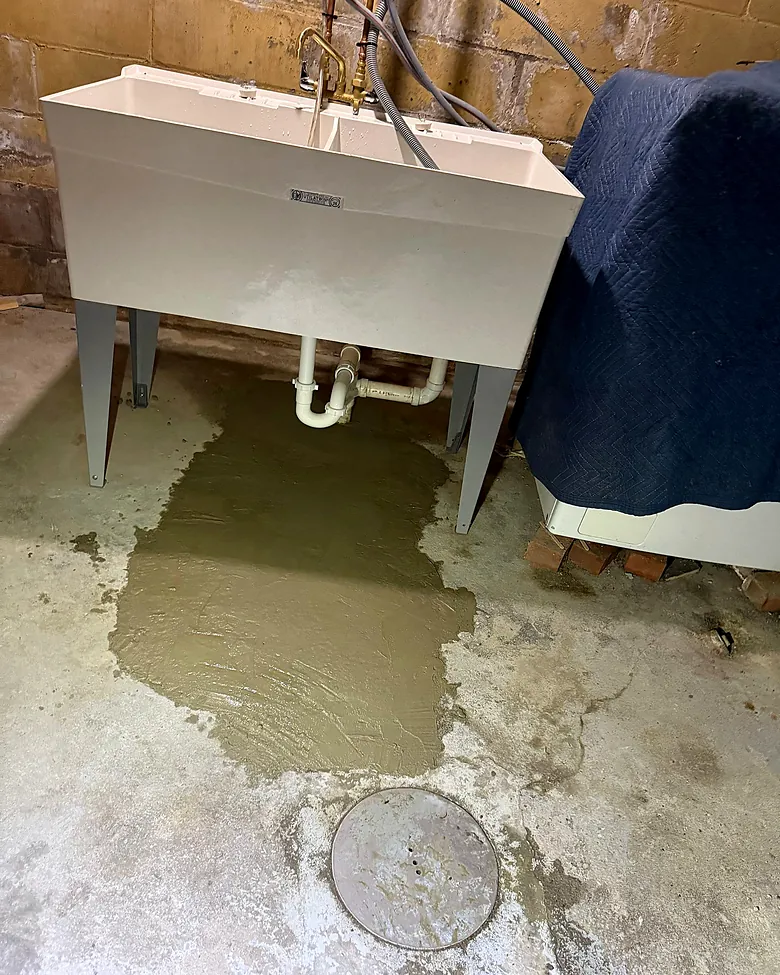
- Floor drain or lowest drain that backs up: usually a main line clog, not the drain itself.
How to clear a clogged drain, shower or tub yourself, and when that is not enough
- Take out the stopper or strainer and pull out the hair and soap residue you can reach, using a hand snake or a plastic drain tool.
- Flush with hot tap water, and plunge with enough water covering the drain to make a seal, with the overflow blocked in a tub or sink.
- Skip chemical cleaners and do not mix them.
- If the drain slows again within a few weeks, or other drains are affected, the clog is deeper and needs a full-wall cleaning.
What is the white buildup in a drain pipe?
A hard, chalky white crust in a drain or on the pipe wall is usually mineral scale left by hard water, sometimes mixed with soap scum. Scale narrows the pipe over time and gives grease and hair something to catch on. If it keeps coming back, softening the water at the source helps; see how a water softener works.
Do store-bought drain cleaners fix a drain that keeps clogging?
They can open a small clog, but they often punch a channel and leave the bulk of the buildup on the pipe. Harsh chemicals can also harm some pipes and are a hazard to anyone who later works on a drain that still has chemical in it. Never mix drain chemicals. If a cleaner has been used, tell the plumber before the line is opened.
When the Real Problem Is the Main Sewer Line
When every drain in the house slows down together, or when you hear gurgling and smell sewer odor, the clog has usually moved past individual fixtures into the main sewer line. In our region, two common culprits stand out.
The first is tree roots. Mature trees on Capital Region properties send roots toward the moisture and nutrients inside sewer pipes, then grow into joints and cracks until they form a dense mat. The second is buildup in older clay or cast-iron mains that have sagged or scaled over the years. Both bring back blockages on a schedule no plunger can beat. A professional drain and sewer service can identify which one you’re dealing with and clear it at the source instead of treating the symptom.
How a Real Fix Differs From a Quick Fix
Permanently solving a recurring clog means removing the buildup across the entire inside surface of the pipe, not just opening a channel through it. Depending on what we find, that can involve:
- Professional drain clearing that scours the full pipe wall rather than poking a hole through the blockage.
- Rooter service to cut through and clear root intrusions from the main sewer line.
- Inspecting the line to confirm the cause so the same clog doesn’t return next month.
Skipping straight to the right tool for the actual problem is almost always cheaper over time than repeated quick fixes — and far less stressful than another backup at the worst possible moment.
The full comparison of cable and water methods is in snaking vs hydro jetting. If the footage points to roots or a break, see tree roots in a sewer line and warning signs of a sewer line problem.
A Few Habits That Keep Drains Clear
Once a drain is properly cleared, simple habits help it stay that way:
- Never pour grease down the kitchen sink — let it cool and throw it in the trash.
- Use a hair catcher in showers and bathroom sinks.
- Flush only toilet paper; keep wipes and paper towels out of the toilet.
- Wipe greasy pans with a paper towel before washing them.
- If you’re on a septic system, be mindful of what goes down every drain.
If the same drain keeps backing up no matter what you try, it is worth getting it diagnosed properly. Family-run since 2006, Empire State Plumbing finds the real cause and clears it for good, with same-day service within business hours when the schedule allows. Call (518) 482-4205 or book online whenever you are ready.
Questions homeowners ask
Grease and cooking fats cool and harden on the pipe walls, then catch food particles until the pipe narrows and clogs again. A plunger or cleaner opens a channel but leaves the coating. Clearing the full pipe wall, and keeping grease out of the drain, is what breaks the cycle.
Hair knots with soap scum in the trap and the first few feet of the drain and rebuilds in the same place. A hair catcher helps, and a thorough cleaning removes what a plunger leaves behind. If the tub and a nearby sink both back up, the problem is farther down the line.
When several drains slow at once, a toilet gurgles as another fixture runs or water rises in a floor drain, the blockage sits in the main line and not in one fixture. A camera inspection shows what is in the pipe. See warning signs of a sewer line problem.
Chemical cleaners can open a small clog but often leave the buildup in place, can harm some pipes and are a hazard to whoever clears the drain next. Never mix them. For a drain that keeps clogging, clearing the pipe wall is more reliable than repeating a cleaner.
Keep grease out of the drain from now on, and have a built-up line cleaned along its full wall so the coating is removed, not just opened. Hydro jetting is the usual method for heavy grease; see snaking vs hydro jetting.
It is usually mineral scale from hard water, sometimes mixed with soap scum. It narrows the pipe and traps hair and grease. Cleaning removes the buildup that is there, and treating the water reduces how fast it comes back.
Yes. Roots entering a main sewer line at a joint or crack catch paper and solids and bring the clog back after every cleaning. A camera shows whether roots are the cause. See tree roots in a sewer line.
Call when the same drain clogs more than once, when several drains are affected, or when you smell sewage or see water coming up a floor drain. Repeating a plunger or cleaner postpones the repair; a diagnosis finds the cause.
Related services
Call Monday–Friday, 7:30am–6pm, or book online any time.
From the blog
Keep reading
Snaking vs. hydro jetting: which clears your drain?
Snaking vs hydro jetting for a clogged drain: how each works, when to use each and what changes the price, plus when a camera look should come first.
Keep readingTree roots in a sewer line: what the camera and pipe condition decide
Tree roots in a sewer line: the signs to watch for, why roots get in, what a camera shows, and how clearing, monitoring or a repair is decided.
Keep reading7 warning signs of a sewer line problem
The main signs of a sewer line problem: several slow drains, gurgling, sewer odors, soggy yard spots and backups, and what to do first at home.
Keep reading
Need a hand from a local pro?
Empire State Plumbing has served Capital Region homeowners since 2006 — licensed (City of Albany #PLBG21-147) and insured. Call Monday–Friday, 7:30am–6pm, or book online any time.
Real homeowners
What Capital Region homeowners say
Verified Google reviews from Capital Region homeowners.